
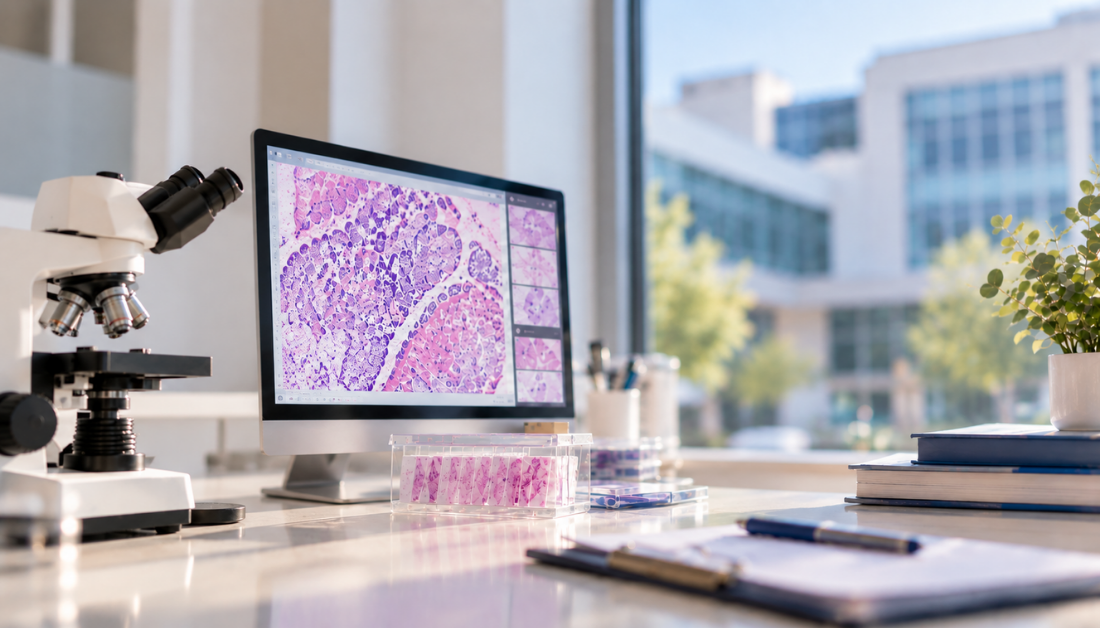
Beyond Credentials: What Hospitals Should Look for in an Outside Pathology Partner
Credentials matter, but they are only part of choosing an outside pathology partner. Here’s what hospitals should consider when evaluating capabilities, coordination, communication, turnaround, reporting, and cost.

After an Unexpected Death: A Step-by-Step Guide for Families
When a loved one dies unexpectedly, knowing what happens next can make an unfamiliar process easier to navigate. This guide explains medical examiner review, funeral arrangements, private autopsy, and postmortem testing options.
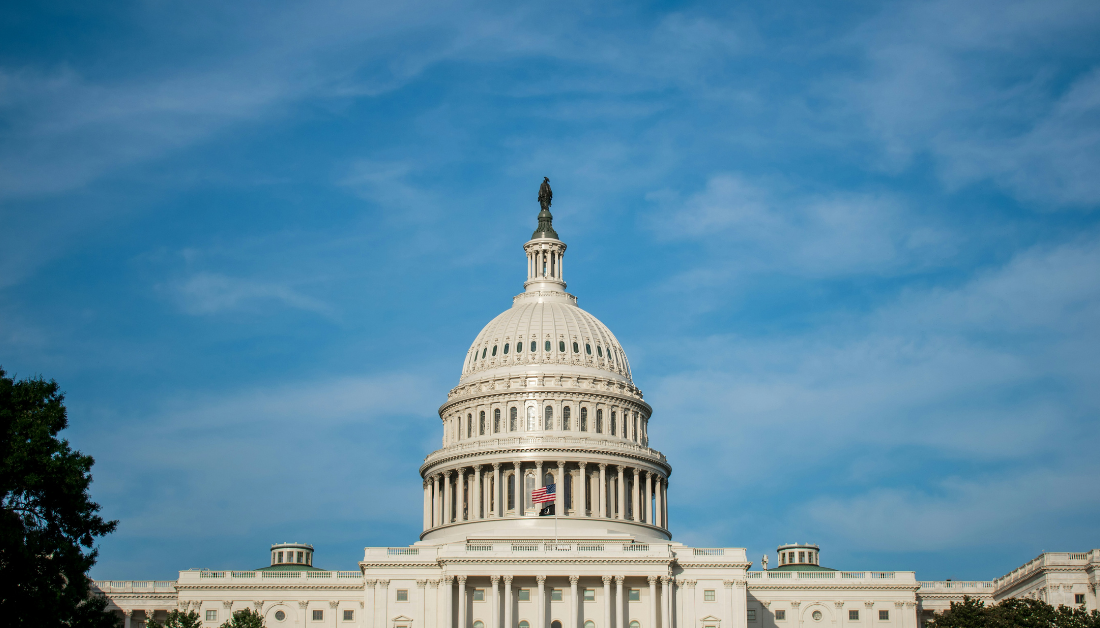
The Washington, D.C. Medical Examiner Process: A Guide for Families
This guide explains how the Washington, D.C. medical examiner process works, when OCME investigates a death, and what options remain if questions continue. Learn about private autopsy, forensic pathology consultation, postmortem testing, and DNA preservation.

When Should Attorneys Consider a Private Autopsy or Independent Forensic Review?
Attorneys sometimes need additional medical clarification after a death investigation. Learn when a private autopsy or independent forensic review may provide valuable medical insight, what records to review, and how forensic pathology supports informed case evaluation.

Post-Mortem DNA Preservation: What DMV Families Should Know
Post-mortem DNA preservation can help keep future genetic testing options available after an unexpected death. Learn why timing matters, how Medical Examiner involvement may affect sample access, and what families should consider before cremation.
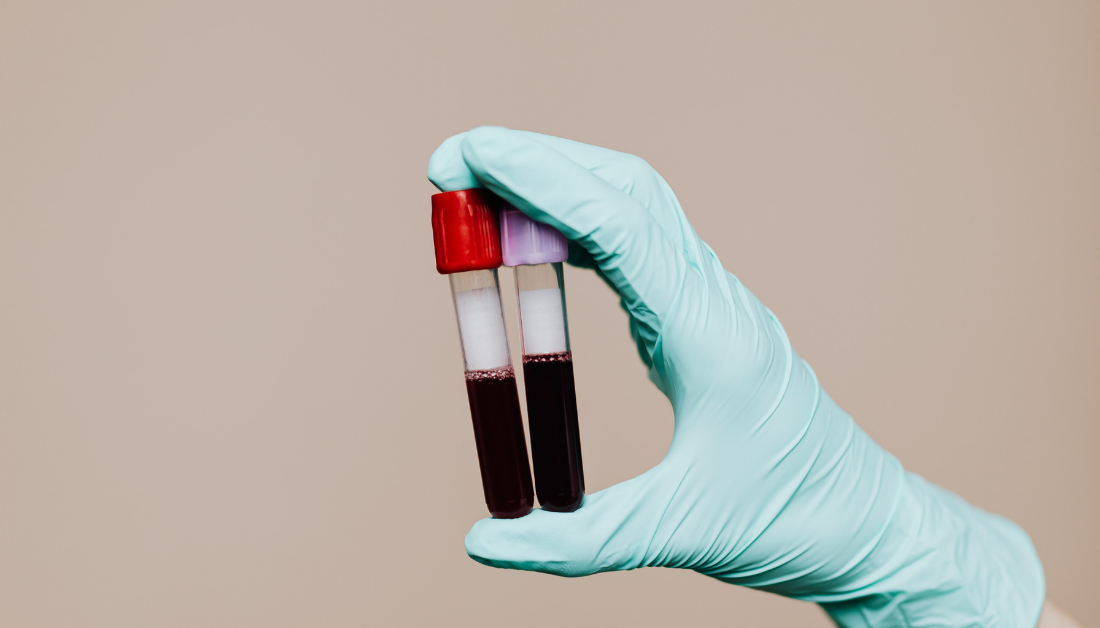
Helping Families Before Cremation: A Guide for Funeral Professionals
Before cremation, families may still have important medical options available, including private autopsy, postmortem testing, DNA preservation, and independent pathology consultation. This guide helps funeral professionals support informed decision-making before final disposition.

What to Do When Questions Remain After an Autopsy
An autopsy report may answer important questions, but some findings can remain difficult to interpret. Learn when an independent forensic pathology review may provide additional clarity, medical insight, and confidence in postmortem findings.
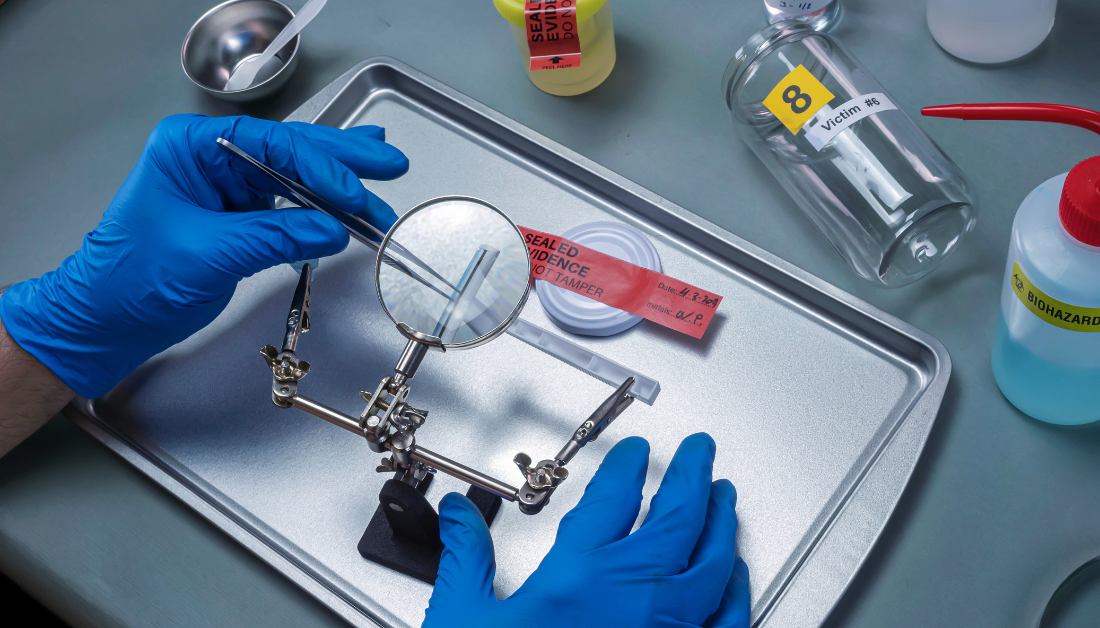
Additional Postmortem Testing: Genetic, Toxicology, and Specialized Autopsy Evaluations
Families may still have unanswered questions after an autopsy. Learn how additional postmortem testing—including toxicology, genetic testing, neuropathology, cardiopathology, and histopathology—can provide further medical insight and clarification.
Subscribe to our newsletter
Subscribe to our newsletter
