
The Washington, D.C. Medical Examiner Process: A Guide for Families
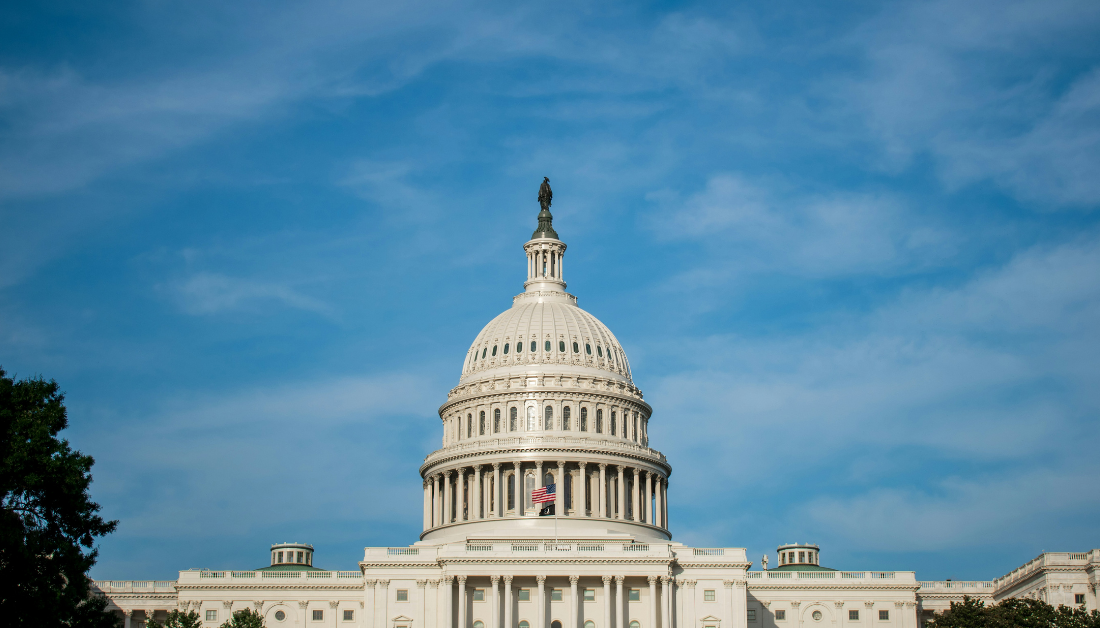
When a death occurs unexpectedly in Washington, D.C., families may find themselves navigating a medical examiner process they have never encountered before. Unlike some jurisdictions that rely on county-based systems, Washington, D.C. operates through a centralized Office of the Chief Medical Examiner (OCME), the government agency responsible for investigating certain deaths, conducting forensic examinations, and determining cause and manner of death.
Each year, OCME investigates approximately 3,100 deaths, including about 1,600 cases accepted as medical examiner investigations.
For families, OCME involvement often raises important questions. Why is the office involved? What happens during the investigation? If questions remain afterward, are additional medical evaluations available? And what decisions should be made before final arrangements, including cremation, are completed?
How Does the Washington, D.C. Medical Examiner System Work?
When OCME investigates a death, its role is to determine two important findings that appear in official reports: the cause of death and the manner of death.
To reach these conclusions, OCME reviews information from multiple sources, including medical history, available records, circumstances surrounding the death, examination results, and laboratory testing.
The cause of death explains the medical condition, injury, or event that resulted in death.
The manner of death describes the circumstances surrounding the death, including:
Natural causes
Accident
Suicide
Homicide
Undetermined
After reviewing an OCME report, some families still have unanswered questions about the official conclusions or what they mean. For families seeking additional clarity, an independent forensic pathology consultation or private autopsy can provide greater medical insight. It can also help families better understand the available information and determine whether further medical evaluation would be helpful.
When Does OCME Investigate a Death in Washington, D.C.?
Families are often unsure why the medical examiner becomes involved after a death. In Washington, D.C., the Office of the Chief Medical Examiner (OCME) investigates certain deaths based on the circumstances surrounding the case, rather than whether a family requests an investigation.
Under Washington, D.C. law (DC Code §5-1405), OCME investigates deaths that fall within specific categories, including:
Sudden, unexpected, or unexplained deaths
Deaths involving violence or injury
Deaths under suspicious circumstances
Deaths related to medical or surgical procedures
Situations where remains may become unavailable for examination
For families, a medical examiner investigation is a standard forensic process used when the facts and circumstances of a death require independent review.
Understanding whether OCME has jurisdiction helps families know who manages the examination process, what information becomes available, and which decisions require attention before final arrangements are completed.
What Should Attorneys Review Before Requesting a Private Autopsy?
Attorneys often begin by reviewing medical records, an autopsy report, or findings from a medical examiner investigation. In many cases, those records answer the key medical questions. In others, they leave important issues unresolved.
Questions about the cause of death, contributing medical conditions, conflicting findings, or whether additional testing could provide meaningful information are all reasons to consult a forensic pathologist. That consultation helps attorneys understand whether an independent medical review or private autopsy would provide meaningful additional medical information before deciding how to proceed.
Before that discussion, it helps to gather available medical records and related documentation, including:
Medical records
Hospital documentation
Imaging studies
Laboratory results
Existing autopsy reports
Pathology findings
Reviewing these materials together gives the forensic pathologist the context needed to identify whether additional examination or specialized testing could provide useful medical information.
What Happens During a DC Medical Examiner Investigation?
When OCME begins a death investigation, families often want to know what happens next and when they can expect answers.
OCME reviews the circumstances surrounding the death, medical records, examination findings, and other available information to determine the official cause and manner of death.
Every investigation looks different. Some cases involve an external examination alone, while others require an autopsy, toxicology testing, or additional forensic testing. The medical examiner decides what each case requires based on the available evidence.
After the investigation, families often receive:
Autopsy reports
Cause and manner of death determinations
Toxicology results, when applicable
These records rarely become available at the same time. Toxicology testing and other laboratory analyses often take longer to complete.
OCME reports often contain detailed medical terminology that can be unfamiliar to families. Even after receiving the official findings, some families still have questions about how the conclusions were reached or what specific medical findings mean. In those situations, families can request clarification from the OCME or seek an independent forensic pathology consultation to obtain a more detailed medical explanation.
What If OCME Does Not Perform an Autopsy?
Not every death investigated by the Office of the Chief Medical Examiner (OCME) includes an autopsy. An autopsy is one of several tools available during a medicolegal investigation, not a required step in every case.
The OCME determines the cause and manner of death by reviewing all available information. That process often includes medical history, hospital records, an external examination, toxicology results, scene investigation findings, and other relevant evidence. When the available evidence provides a clear medical explanation, an autopsy is not always necessary to reach an official conclusion.
A decision not to perform an autopsy does not mean the investigation was incomplete or that important information was overlooked. It reflects the medical examiner's determination that sufficient evidence was available to certify the cause and manner of death under the circumstances.
Some families, however, continue to have medical questions after the OCME investigation is complete. In those situations, further medical evaluation or specialized postmortem testing remains available to address specific questions.
These services do not replace the OCME investigation. They provide greater medical clarity for families seeking a better understanding of the findings, inherited health concerns, or other unanswered questions following the official investigation.
What Options Do Families Have After an OCME Investigation?
The most appropriate next step depends on the family's remaining questions and the medical information already available.
After an OCME investigation, families sometimes have additional questions about the findings or want a more detailed medical review. While the OCME completes the official medicolegal investigation, other forensic services are available in certain situations to provide further medical information or address specific questions.
Private autopsy
A private autopsy is an independent examination performed by a forensic pathologist. It provides an independent medical evaluation that can offer additional insight into the cause of death or help answer remaining medical questions.
Independent forensic pathology consultation
In some situations, families do not require another autopsy. Instead, a forensic pathologist can review existing medical records, autopsy reports, imaging studies, or laboratory findings and explain the medical conclusions in greater detail.
Additional postmortem testing
Depending on the circumstances, further evaluation may also include toxicology, genetic testing, molecular testing, neuropathology, histopathology, or review of preserved biological specimens when available.
Independent forensic pathology services complement the information already available through the medical examiner investigation. Families, healthcare professionals, and attorneys sometimes seek an independent medical review to better understand the official findings, clarify specific medical questions, or determine whether further evaluation would be helpful.
To learn more about the differences between private autopsies and medical examiner investigations, read our article, Private Autopsy vs. Medical Examiner: What Families Should Know.
Key Takeaways For Families
Families navigating a medical examiner investigation in Washington, D.C., should keep several important points in mind:
Not every OCME investigation includes an autopsy. The Office of the Chief Medical Examiner determines the cause and manner of death using the available medical and forensic evidence. A decision not to perform an autopsy does not mean the investigation was incomplete.
Families still have options when questions remain. Independent forensic pathology consultations, private autopsies, and specialized postmortem testing can provide another medical perspective based on the questions involved and the materials available.
Timing can affect the options available. Discussions about specialized postmortem testing, DNA preservation, or further examination are often most important before cremation or other final disposition. Additional guidance is available in our resources on specialized postmortem testing and post-mortem DNA preservation.
Every family's situation is different, but understanding these principles can help you make informed decisions and know what resources remain available if questions persist.
After an OCME investigation, many families have the information they need to move forward. Others continue to have questions about the findings, the cause of death, or whether additional medical review would provide greater clarity. Understanding those options before final arrangements gives families more time to ask questions, consider additional evaluation if needed, and make decisions with confidence.
If questions remain after a death investigation in Washington, D.C., families can schedule a consultation with the EPIARX Care Team to discuss their questions, review the circumstances of the case, and determine whether a private autopsy, forensic pathology consultation, or other postmortem evaluation would be appropriate.
Private Autopsy Coordination and Forensic Pathology Support
EPIARX supports families, funeral homes, and referring professionals in select jurisdictions across the United States. Availability may vary depending on state authorization requirements, forensic pathology resources, and transportation logistics.
Our team currently coordinates services in jurisdictions including:
East Coast: Connecticut (CT), Washington D.C. (DC), Delaware (DE), Florida (FL), Massachusetts (MA), Maryland (MD), North Carolina (NC), New Hampshire (NH), New Jersey (NJ), New York (NY), Pennsylvania (PA), Virginia (VA), and West Virginia (WV).
West & Central Regions: California (CA), Colorado (CO), Hawaii (HI), Nevada (NV), Texas (TX), Oklahoma (OK), and Washington (WA).
Visit our Support Center, explore our FAQs, or connect with our Care Team for personalized guidance and support.
This article is for educational purposes only and is not medical or legal advice.