
After an Unexpected Death: A Step-by-Step Guide for Families
When a loved one dies unexpectedly, knowing what happens next can make an unfamiliar process easier to navigate. This guide explains medical examiner review, funeral arrangements, private autopsy, and postmortem testing options.
The Washington, D.C. Medical Examiner Process: A Guide for Families
This guide explains how the Washington, D.C. medical examiner process works, when OCME investigates a death, and what options remain if questions continue. Learn about private autopsy, forensic pathology consultation, postmortem testing, and DNA preservation.

When Should Attorneys Consider a Private Autopsy or Independent Forensic Review?
Attorneys sometimes need additional medical clarification after a death investigation. Learn when a private autopsy or independent forensic review may provide valuable medical insight, what records to review, and how forensic pathology supports informed case evaluation.
Post-Mortem DNA Preservation: What DMV Families Should Know
Post-mortem DNA preservation can help keep future genetic testing options available after an unexpected death. Learn why timing matters, how Medical Examiner involvement may affect sample access, and what families should consider before cremation.
Helping Families Before Cremation: A Guide for Funeral Professionals
Before cremation, families may still have important medical options available, including private autopsy, postmortem testing, DNA preservation, and independent pathology consultation. This guide helps funeral professionals support informed decision-making before final disposition.

What to Do When Questions Remain After an Autopsy
An autopsy report may answer important questions, but some findings can remain difficult to interpret. Learn when an independent forensic pathology review may provide additional clarity, medical insight, and confidence in postmortem findings.
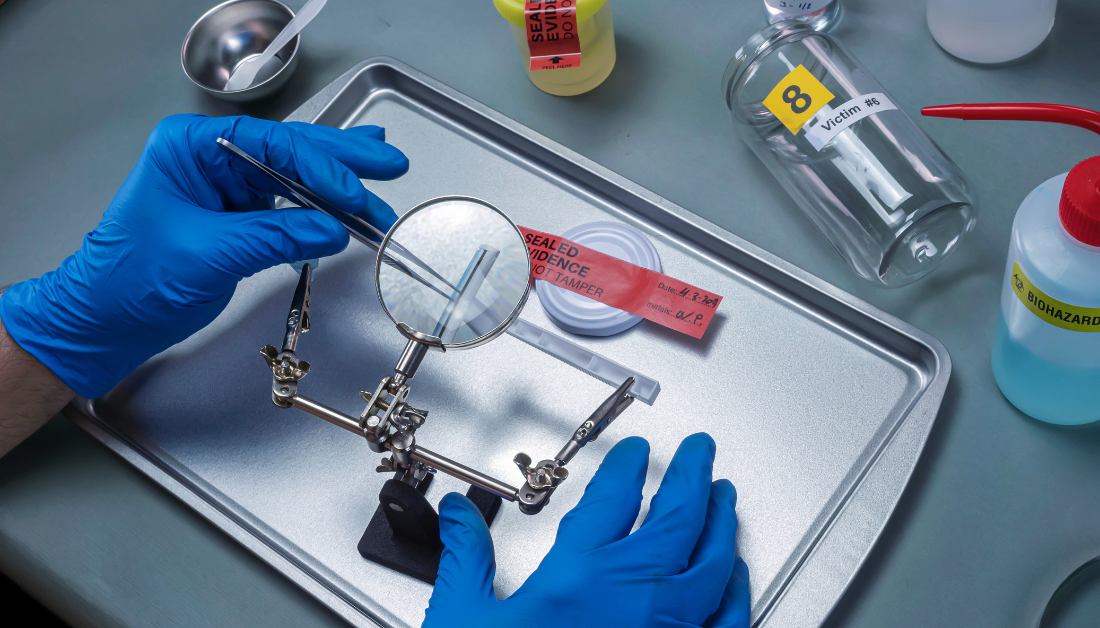
Additional Postmortem Testing: Genetic, Toxicology, and Specialized Autopsy Evaluations
Families may still have unanswered questions after an autopsy. Learn how additional postmortem testing—including toxicology, genetic testing, neuropathology, cardiopathology, and histopathology—can provide further medical insight and clarification.

Private Autopsy vs. Medical Examiner: What Families Should Know
Families seeking answers after an unexpected death may encounter both medical examiner investigations and private autopsy options. This article explains the differences, practical considerations, and how forensic pathology consultation may help provide additional medical clarification.

FTC Funeral Rule and Pricing Transparency: What Funeral Homes Need to Know in 2026
FTC Funeral Rule requirements remain in place, but expectations around pricing transparency are evolving. This article explores compliance risks, real-world conversations, and how funeral homes can adapt in 2026.
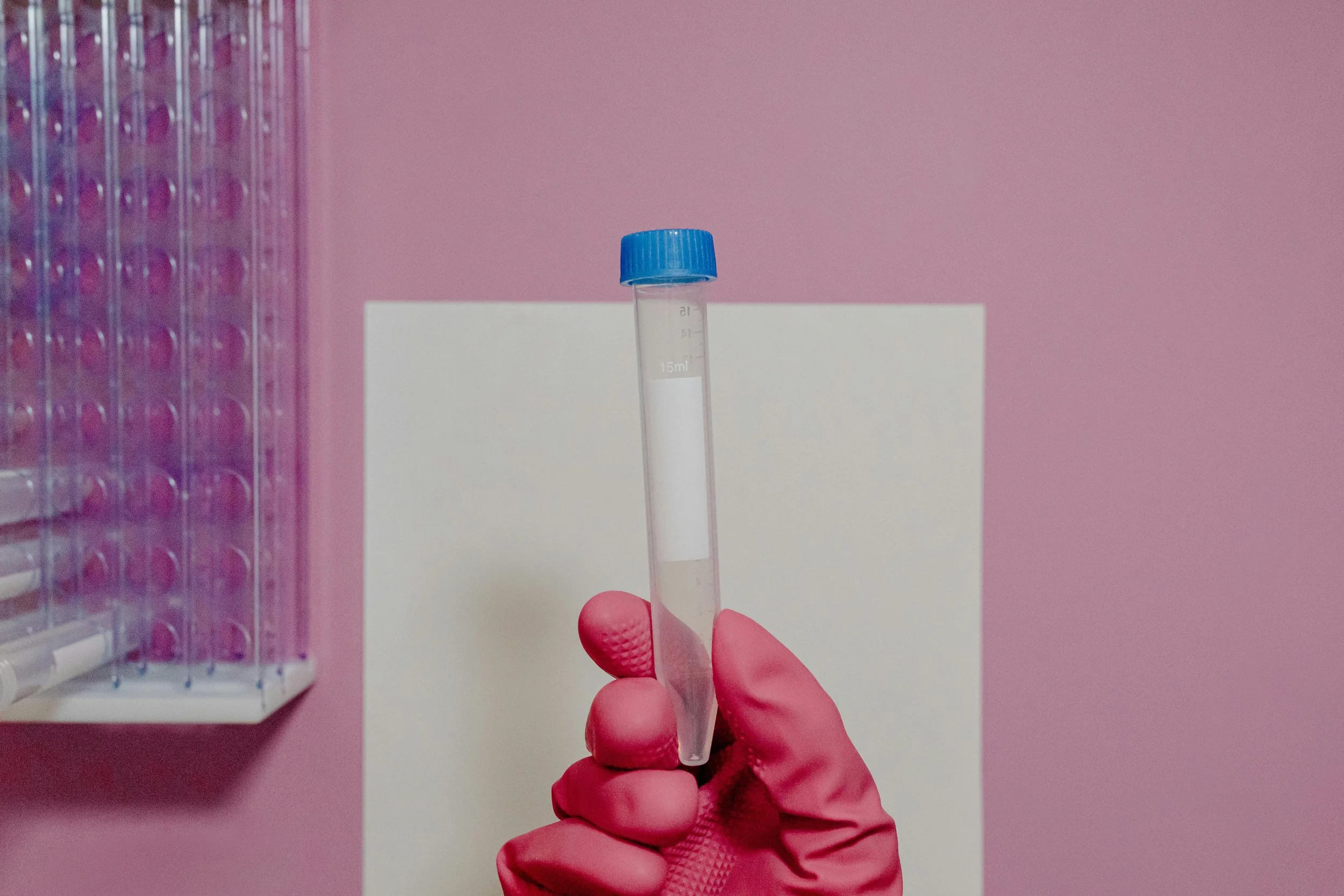
What Samples Are Needed for Post-Mortem DNA Testing? (Complete Guide)
What samples are needed for post-mortem DNA testing? This guide explains which biological samples provide the best results, how storage affects DNA quality, and what options may still be available over time.

Tumor Biomarkers in Cancer Care: How Pathology Reports Shape Treatment Decisions
Tumor biomarkers play a critical role in shaping treatment strategy and clinical decision-making. This article explains how pathology data informs personalized care, risk assessment, and treatment selection in modern life sciences.

Can You Preserve DNA After Death? Memorial Casting and Tissue Preservation Explained
When a loved one dies, families often ask two quiet questions: how to stay connected, and what to preserve for future health clarity. This guide explains memorial casting through Arts Memorial by EPIARX and DNA/tissue preservation through Circogen, and how both can complement a traditional service.

Private Autopsies for Insurance and Legal Claims: Clarifying Cause of Death
When the death certificate or medical records don’t tell the full story, a private autopsy can add independent medical evidence for insurance and legal claims. This guide explains what autopsies can clarify, where their limits are, and how EPIARX supports attorneys, insurers, and families.

Funeral Home Coordination for Private Autopsies: Timing, Transport, and Viewing
Funeral directors are often the first to hear families’ questions about second opinions, viewing concerns, and complex cancer or exposure cases. This guide explains how to coordinate private autopsies with EPIARX, from timing and refrigeration to open-casket viewing, and when advanced testing for cancer and asbestos-related disease may help.
Can You Still Request a Private Autopsy After Embalming? What Families Need to Know
Embalming can limit certain tests, but it doesn’t always prevent a private autopsy from providing meaningful answers. Learn what changes after embalming, what can still be evaluated, and the next steps families can take.

Can Families Request a Private Autopsy? Understanding Your Rights When the Medical Examiner Says ‘No’
When the medical examiner declines an autopsy, families are often left with painful questions and no clear options. This guide explains when you can request a private autopsy, who can authorize it, what it costs, and how EPIARX coordinates the process so families get answers that stand up medically and legally.

How to Understand an Autopsy Report and Genetic Findings After a Loved One’s Death
When a loved one dies, understanding the autopsy report and any genetic findings can bring clarity and peace. This guide from EPIARX explains what the report includes, how to interpret medical language, and why these details matter for your family’s health, legal matters, and healing. Learn how to request the full report, preserve samples, and take meaningful next steps.

Grief Doesn’t End With the Memorial Service: Postmortem Care Resources for Families
Grief doesn’t end with the service. At EPIARX, we help families find clarity through grief support groups, mental health resources, private autopsies, and DNA preservation. Explore tools for healing after loss in our Resource Center.

Molecular Autopsy: When Genetics Answers What Conventional Autopsy Alone Cannot
When conventional autopsies leave families without answers, molecular autopsy steps in. Using advanced DNA sequencing, Epiarx helps identify hidden genetic causes of sudden death, especially in unexplained cardiac or neurologic cases. Discover how genetic insights can reveal what traditional pathology cannot, guiding families toward clarity, prevention, and peace of mind.

Automated and Virtual Autopsy Technology: The Future of Non-Invasive Post-Mortem Care
Virtual autopsy and robotic biopsy offer a new non-invasive approach to post-mortem care. Learn how CT/MRI imaging transforms autopsy practice, the pros and limitations, and how EPIARX stays updated on these innovations to empower families with informed choices.
Subscribe to our newsletter
Subscribe to our newsletter
