
Additional Postmortem Testing: Genetic, Toxicology, and Specialized Autopsy Evaluations
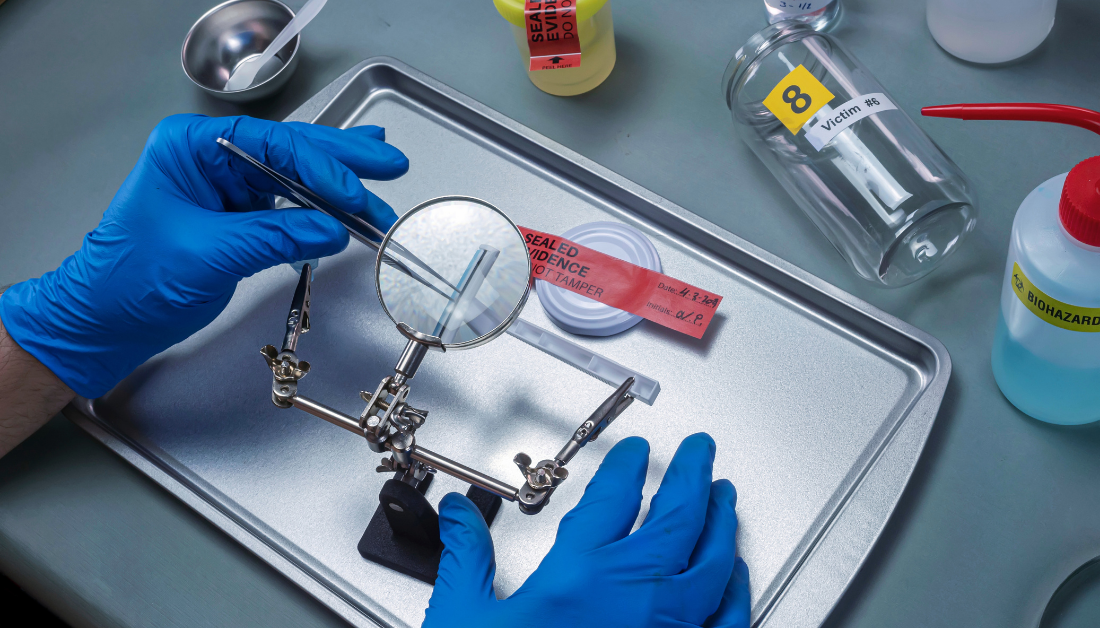
After the death of a loved one, families often have unanswered questions about what happened and why. While a standard autopsy can identify the general cause of death, it may not fully explain underlying disease, genetic risks, toxic exposure, or contributing medical conditions.
Additional postmortem testing provides deeper medical insight based on the circumstances of the case, the available samples, and the questions being investigated.
Understanding these testing options can help families make informed decisions and find clearer answers.
What Is Included in a Standard Autopsy?
A standard autopsy typically involves:
External and internal examination of the body
Organ evaluation
Tissue sampling
Microscopic analysis
Review of available medical history
Documentation of injuries or disease findings
The purpose of an autopsy is generally to determine the cause and manner of death. In many cases, this provides sufficient medical explanation. However, some conditions may require additional laboratory or specialized testing that falls outside the scope of a routine examination.
Why Families Pursue Additional Testing
Families, physicians, or legal representatives may consider additional testing when:
The cause of death remains unclear
A sudden or unexpected death occurred
There is concern about inherited medical conditions
Toxic exposure or medication interactions are suspected
Infectious disease testing is needed
Questions remain following an official investigation
Additional medical clarification is desired for family health planning
Additional testing helps surviving relatives understand possible genetic or hereditary risks. Families interested in DNA preservation and postmortem genetic evaluation can learn more about Circogen services.
Types of Additional Postmortem Testing
Toxicology Testing
Toxicology testing looks for medications, drugs, alcohol, and other toxic substances in the body. Toxicology testing can identify:
Drug interactions
Medication levels
Substance exposure
Accidental overdose
Environmental toxins
Basic toxicology testing is often included during an autopsy, while more specialized panels require separate laboratory analysis.
Genetic and Molecular Testing
Postmortem genetic testing, sometimes called a “molecular autopsy,” identifies inherited cardiac disorders, metabolic conditions, and other genetic abnormalities that may not appear during a standard autopsy.
Families interested in how molecular autopsy may uncover answers beyond a conventional autopsy can explore our article on postmortem genetic testing.
Postmortem genetic testing is particularly valuable in cases involving:
Sudden unexplained death
Young individuals with no clear medical history
Possible inherited heart conditions
Family history of unexplained deaths
Advanced genetic evaluations often include Whole Exome Sequencing (WES), which analyzes the protein-coding regions of the genome to identify potentially significant inherited genetic variants.
Because genetic findings can affect surviving relatives, families often discuss these results with medical specialists or genetic counselors.
Neuropathology Examination
Neuropathology focuses on detailed examination of the brain, spinal cord, and nervous system tissues. Neuropathology examinations are particularly valuable in cases involving:
Alzheimer’s disease and other neurodegenerative conditions
Seizure disorders
Brain injury
Dementia-related conditions
Unexplained neurological symptoms
Specialized neuropathology reviews are often performed by subspecialty pathologists with expertise in neurological disease.
Cardiopathology Examination
Cardiopathology involves a specialized examination of the heart to identify structural abnormalities, inherited cardiac disorders, cardiomyopathies, and arrhythmia-related conditions that may contribute to sudden or unexplained death.
This evaluation is particularly important in cases involving sudden cardiac death, unexplained death in younger individuals, or a family history of inherited heart disease.
Cardiopathology examinations are used to identify:
Sudden cardiac death
Cardiomyopathies
Structural heart abnormalities
Arrhythmia-related conditions
Histopathology and Specialized Tissue Analysis
Histopathology involves the microscopic examination of tissues to identify disease processes, inflammation, infection, tumors, or other abnormalities that may not be apparent during a gross examination.
Specialized tissue analysis provides additional information about disease progression, underlying pathology, or the origin of abnormal cells when routine examination does not fully explain the findings.
What Families Should Know
When families consider additional testing after an autopsy, several practical factors affect the process.
Sample Availability Matters
Additional testing often depends on whether tissue, blood, or other specimens were preserved during the original examination. Not all samples are retained indefinitely, and retention policies may vary by institution and jurisdiction.
Timing Can Affect Testing Options
Some testing options are more effective when performed soon after death, before sample quality begins to decline.
Specialized Testing Often Requires Outside Laboratories
Some advanced postmortem testing is performed through specialized laboratories or consulting experts rather than the original medical examiner or hospital facility.
Turnaround times and costs vary depending on the type of analysis requested. While additional testing often provides important medical clarification, some cases remain partially unexplained despite extensive evaluation.
When Families Seek Additional Answers
Some families pursue additional testing because unresolved questions remain after an autopsy or medical examiner investigation. Others may be concerned about possible hereditary conditions that could affect surviving relatives.
Questions about autopsy findings and inherited disease risk often arise together, particularly when families are evaluating whether additional genetic testing is appropriate.
In these situations, independent forensic pathology consultation can help families understand what testing options are still available and whether additional review is needed.
At EPIARX, we work with families, funeral homes, and medical professionals when additional forensic pathology support or postmortem consultation is needed.
We help families navigate complex medical questions with clarity, professionalism, and compassion.
Private Autopsy Coordination and Forensic Pathology Support
EPIARX supports families, funeral homes, and referring professionals in select jurisdictions across the United States. Availability may vary depending on state authorization requirements, forensic pathology resources, and transportation logistics.
Our team currently coordinates services in jurisdictions including:
East Coast: Connecticut (CT), Washington D.C. (DC), Delaware (DE), Florida (FL), Massachusetts (MA), Maryland (MD), North Carolina (NC), New Hampshire (NH), New Jersey (NJ), New York (NY), Pennsylvania (PA), Virginia (VA), and West Virginia (WV).
West & Central Regions: California (CA), Colorado (CO), Hawaii (HI), Nevada (NV), Texas (TX), Oklahoma (OK), and Washington (WA).
Visit our Support Center, explore our FAQs, or connect with our Care Team for personalized guidance and support.
This article is for educational purposes only and is not medical or legal advice.