
What Samples Are Needed for Post-Mortem DNA Testing? (Complete Guide)
When someone dies suddenly or at a young age, families often have two questions: what samples are needed for post-mortem DNA testing, and what this might mean for children and siblings.
Post-mortem genetic testing can help answer both, but only if the right samples were preserved in time. Many families search for what samples are needed for post-mortem DNA testing, but the answer depends on timing and how preservation is handled.
This guide is for families, funeral directors, and clinicians who want a concise overview of which samples are most useful for post-mortem DNA testing and when to involve EPIARX. Post-mortem DNA testing refers to genetic testing performed after death using preserved biological samples.
Why Post-Mortem DNA Testing Matters for Families
In some sudden or unexplained deaths, an inherited heart, neurological, or other condition may be involved. If a genetic cause is identified after death, surviving relatives can sometimes be tested while they are still healthy and, in some cases, start monitoring or treatment earlier. Once good-quality DNA is lost, it usually cannot be recreated, so knowing what to save and how to store it is critical.
The “gold standard” samples
The best samples for post-mortem DNA work include:
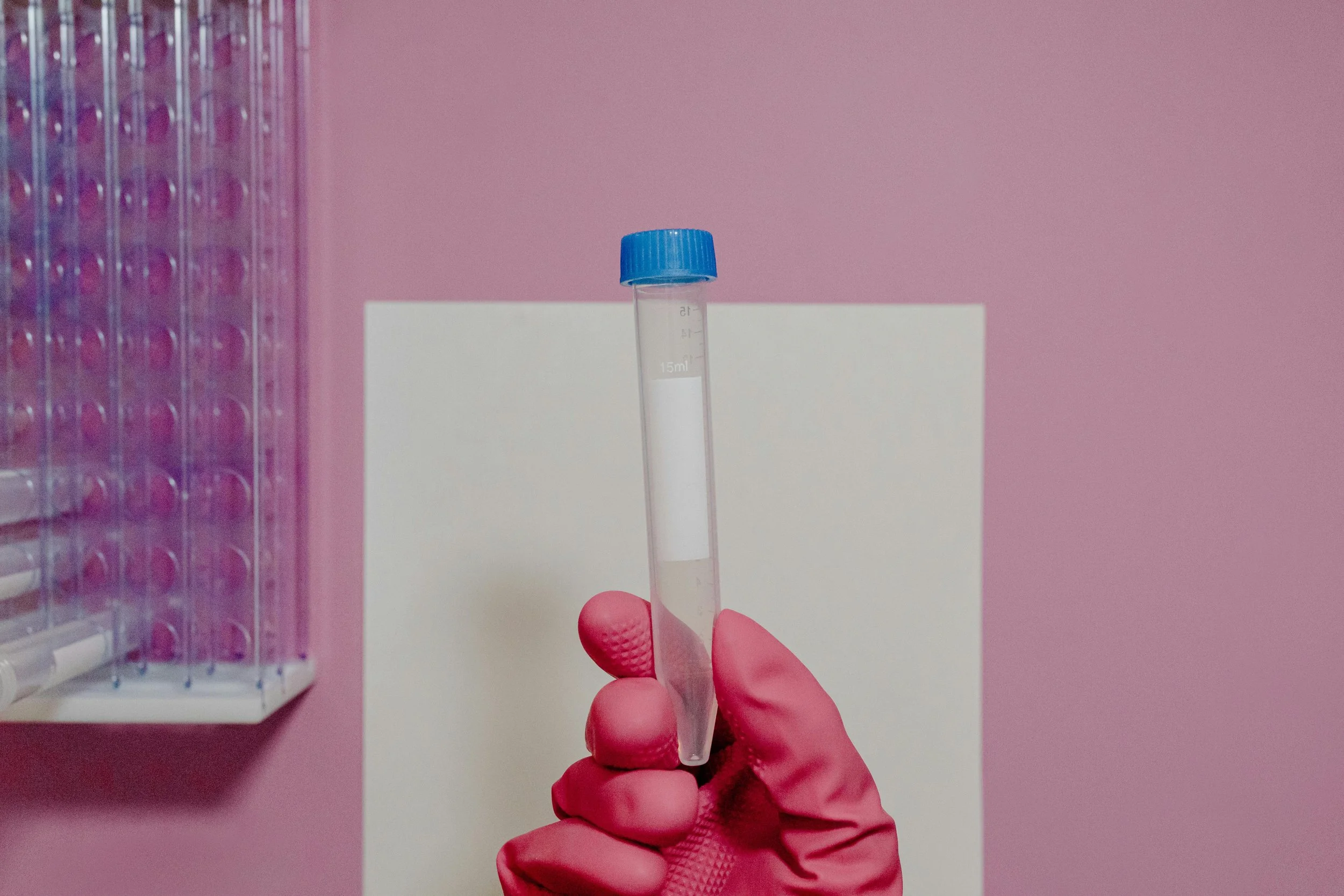
Blood in a purple-top tube: A standard hospital blood tube that contains a preservative to keep blood from clotting. This is often the first choice for DNA and genetic testing and is ideally drawn soon after death and stored refrigerated or frozen.
Fresh or frozen tissue (for example, heart, liver, spleen, thymus): A small piece can provide high-quality DNA when stored at very low temperatures, especially in suspected inherited cardiac or metabolic disease.
If future genetic testing is even a possibility, ask the hospital, medical examiner, or autopsy provider whether they can save a purple-top blood tube and a small piece of tissue specifically for potential DNA testing later. Proper post- mortem DNA sample preservation at this stage gives families the widest flexibility for future genetic testing after death.
When ideal samples were not preserved at the time of death, other sources may still exist.
Can Pathology Blocks Be Used for DNA Testing?
Months or years later, the only material available may be what the pathology lab already has: formalin-fixed, paraffin-embedded (FFPE) tissue blocks and glass slides. DNA from these blocks is more fragmented than from fresh tissue, but it is often still usable for selected molecular tests, including some cancer markers. In some cases, DNA testing from autopsy tissue or archived pathology blocks can still provide meaningful answers, even years later.
If your loved one had a prior biopsy or surgery, ask whether tissue blocks or slides exist and can be shared for genetic review. EPIARX frequently works with FFPE material to help answer questions such as where a cancer started or whether specific tumor biomarkers might matter for relatives.
Teeth, bone, and other last-resort sources
When soft tissue is no longer available—because of decomposition, cremation, or a long delay—teeth and bone may serve as last-resort DNA sources. Well-preserved molars or long bones can still contain usable DNA, although testing is more specialized and not every lab accepts these samples. In these situations, contact EPIARX before any teeth or bone are removed so our team can advise what is realistic and help coordinate collection.
Can DNA be tested after cremation?
In most cases, DNA testing after cremation is extremely limited, which is why sample preservation before cremation is critical.
No matter the source, storage conditions ultimately determine what testing remains possible.
How long after death can DNA still be tested?
DNA can still be tested after death depending on how samples were preserved. Fresh blood and frozen tissue offer the highest quality, while older samples such as FFPE tissue, bone, or teeth may still be usable in certain cases.
Post-Mortem DNA Sample Storage: What Matters Most
Even the “right” sample can become the wrong one if it is stored poorly. In general, frozen blood provides the widest range of future testing options, very low-temperature storage helps maintain DNA integrity in tissue samples, and FFPE blocks, although routinely stored at room temperature, may limit some advanced tests as they age. The earlier a suitable sample is collected and stored correctly, the more options families and clinicians have later. Preserving DNA after death is often less about the specific test today and more about protecting options for future testing as science evolves.
Where Circogen fits
For some families, keeping options open means more than a single test today. EPIARX’s Circogen service supports case-by-case DNA and tissue preservation, so future genetic questions can be addressed as science advances. In selected cases, Circogen can complement a private autopsy by preserving material specifically for possible testing that may not be needed, or even available, right now, while still respecting each family’s cultural and spiritual needs.
Post-Mortem DNA Testing Checklist: What to Do Immediately
If you are navigating a recent death and want to keep DNA options open:
Ask about saving a blood tube and a small piece of tissue.
Confirm how they will be stored (refrigerated or frozen).
Check for existing pathology blocks or slides from prior biopsies or surgeries.
Involve EPIARX early if a private autopsy is planned, so the right samples can be preserved during the procedure.
For older or complex cases, ask about teeth, bone, or stored tissue, and let EPIARX advise what is realistic.
The right preservation decisions made today can protect your family’s health options for years to come.
FAQs About Post-Mortem DNA Testing
What samples are needed for post-mortem DNA testing?
Can DNA be tested after cremation?
How long does DNA last after death?
Can old tissue samples be used for genetic testing?
Next steps
You do not have to navigate biomarker reports and pathology language alone.
Find plain-language answers in our Support Center.
Prefer one-to-one guidance from a pathologist? Schedule a consultation so we can review your pathology report, biomarkers, and potential next steps.
If your oncology team or attorney would like a formal cancer pathology second opinion, we can work directly with them to coordinate tissue, slides, and reporting.
This article is for educational purposes only and is not medical or legal advice.