Can You Preserve DNA After Death? Memorial Casting and Tissue Preservation Explained
When someone you love dies, the rituals move quickly: calls to the funeral home, service planning, decisions about burial or cremation. In the middle of all of this, many families quietly ask two deeper questions:
How can we stay connected to this person in a tangible way?
Is there anything we should preserve now in case future health questions come up for our children or siblings?
At EPIARX, those questions sit at the heart of two family legacy services: Circogen, focused on preserving DNA and tissue for potential future testing, and Arts Memorial by EPIARX, focused on creating handcrafted memorial casts as lasting works of art.
This guide is for families, funeral directors, and care teams who want to understand how these options can complement a traditional memorial service rather than compete with it.
Why tangible memorials matter
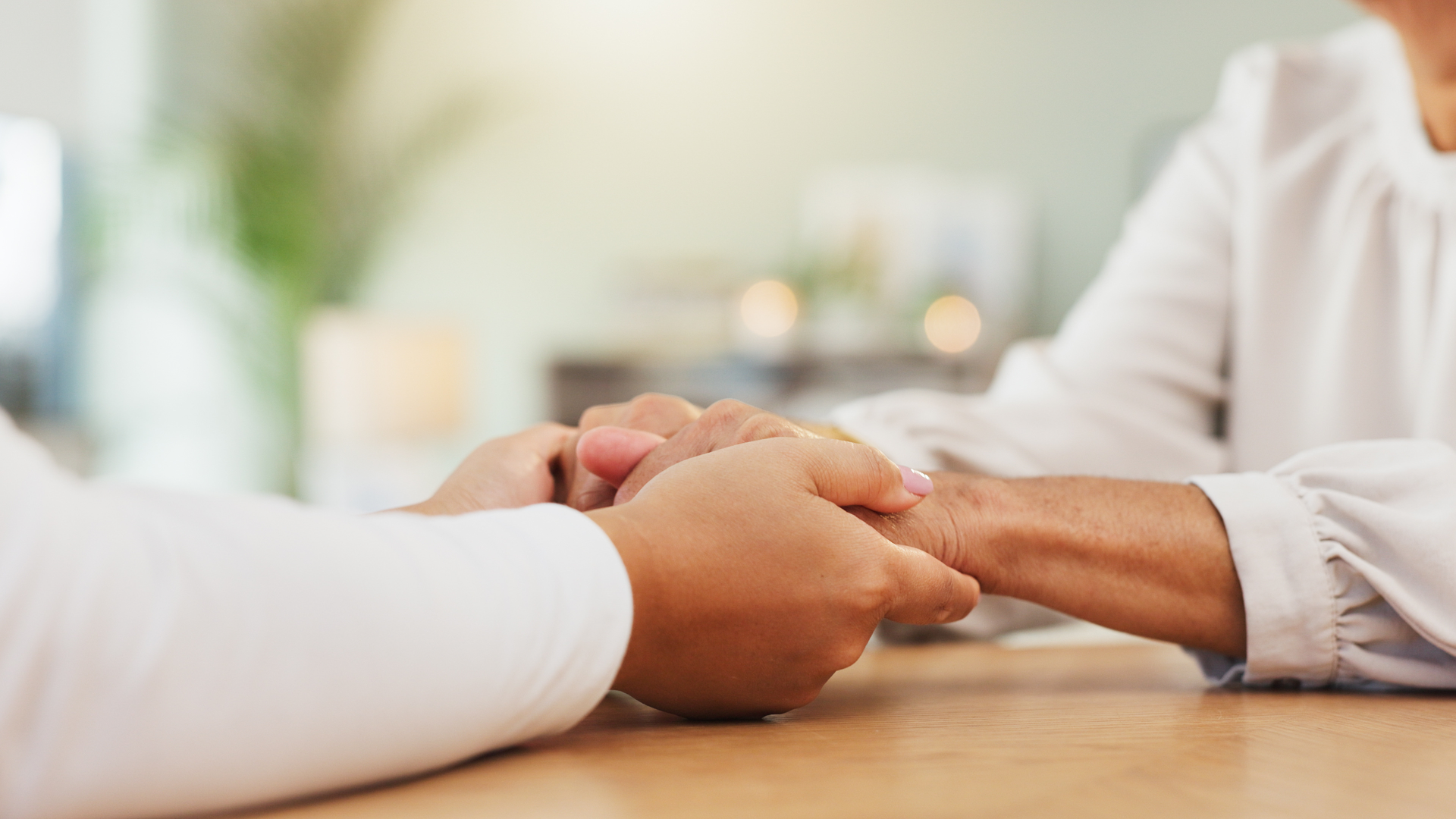
Grief is emotional, but it is also experienced physically. Many people find comfort in having something they can touch or see when they miss their person. Research on grief and “continuing bonds” has shown that maintaining meaningful connections, through objects, rituals, or places, can support healthy adaptation after loss.
Physical memorials, whether they are a sculpture, a piece of jewelry, or a dedicated space, often:
Provide a focal point for remembrance and private rituals
Help children and teens feel that their person is still “present” in the family story
Support meaning-making, which is a key part of processing loss
For some families, creating a physical memorial becomes part of how they process loss and keep connection present. Arts Memorial by EPIARX was created to meet that need in a way that is both personal and medically respectful.
What Arts Memorial by EPIARX offers
Arts Memorial by EPIARX helps families create custom posthumous portrait casts, most often hand casting memorials, and sometimes face or other feature casts, crafted with care and attention to detail. For families considering memorial casting after death, these pieces offer a tangible way to preserve presence and connection.
Families may choose from several monochrome finishes, such as plaster, bonded marble, cold cast bronze, faux bronze, faux marble, silicone, or concrete. The goal is not only to capture physical likeness but also to create a lasting work of art that can live in a family home for decades.
For many, this becomes:
A shared focal point during anniversaries and holidays
A way for grandchildren or future generations to “meet” someone they never knew in life
A complement to, not a replacement for, traditional memorial services and gravesites
Emotional legacy is only one part of what some families consider after a loss.
Where DNA and tissue preservation fit
At the same time, some families face practical questions about future health:
Could this death have been related to an inherited heart, neurological, or cancer syndrome?
Should children or siblings be tested someday?
Will science have better tools in five or ten years than it has today?
DNA and tissue preservation, including services like Circogen by EPIARX, focus on keeping carefully selected samples available for potential future genetic or molecular testing. This type of DNA preservation after death is sometimes referred to as postmortem tissue preservation and is most effective when planned early. In certain situations, preserved samples may later help clarify:
Whether a sudden or unexplained death had a genetic component
Where a cancer likely started (primary site)
Whether specific tumor markers might matter for relatives’ screening plans
Not every family will decide to preserve DNA or tissue, and not every preserved sample will lead to a clear answer. But once the opportunity to preserve good-quality material is gone, it usually cannot be recreated. That is why early timing and coordination matter.
Bringing both together: legacy for the heart and for health
For some families, the right answer is not choosing between Circogen and Arts Memorial, but using them together.
In practice, this can look like:
During medical care or autopsy: EPIARX works with the clinical team and, when appropriate, funeral home partners to identify and preserve suitable samples for potential future testing through Circogen.
During funeral planning: The family considers whether a hand or face cast through Arts Memorial would feel meaningful, and if so, coordinates timing so the casting process respects both cultural practices and any planned viewing.
Over time: The memorial cast becomes a daily or occasional touchpoint for grief and remembrance, while preserved samples remain available if questions about inherited risk or cancer origin arise later.
One supports emotional continuity; the other helps keep options open for medical clarity. Together, they allow families to preserve DNA after death while also creating a tangible memorial that can remain in the home.
A simple decision checklist
If you are supporting a family or making plans for your own loved one, here are questions to consider:
Would having a physical memorial in the home feel comforting for you or your family?
Are there children, siblings, or other relatives who may someday want clearer answers about inherited risk or cancer origin?
Has anyone discussed whether DNA or tissue should be preserved now, before burial or cremation?
Would you like EPIARX to coordinate both memorial casting and, where appropriate, sample preservation so the processes do not conflict?
You do not have to decide everything at once. A brief call with EPIARX can help clarify what is realistic in your specific situation and what timelines are important. The right choices made today can support both remembrance and future clarity.
Next steps
You do not have to navigate these choices alone.
Find plain-language answers in our Support Center.
Learn more about Circogen by EPIARX and Arts Memorial by EPIARX on our Family Legacy Services pages.
Prefer one-to-one guidance from a pathologist? Schedule a consultation so we can review your specific case, discuss what can be preserved, and explore whether a memorial cast might be right for your family.
This article is for educational purposes only and is not medical or legal advice.